Why Do My Injuries Keep Coming Back (Even When Scans Are Clear)?
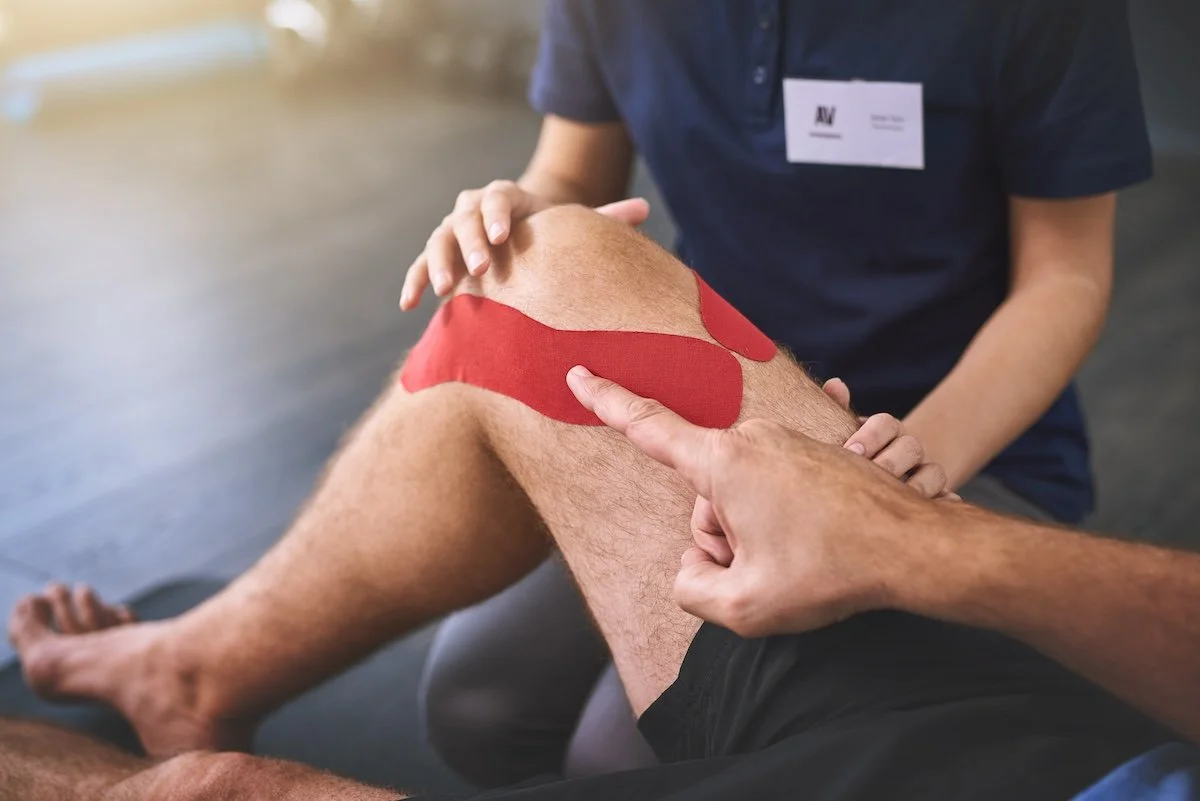
“Good news Mr Jones, your scans show that the tendon is fully healed”
“So why does it still hurt doc?”
This is an all-too-common occurrence in our field. A perfect scan, but pain persists. Not only is this confusing for you as a patient, but it can be downright frustrating. You start to second guess yourself, the treatment.. fear creeps in that something has been missed.
Pain Does Not Always Equal Tissue Damage
Let’s get something out there really early, because it’s extremely important:
Pain = tissue damage
Why Scans Can Be Clear but Pain Still Persists
What you are seeing on an x-ray or MRI is the structure of the area, but not the capacity. I have seen plenty of perfect MRI’s over the years where the person in front of me is still in pain. I have also seen many images that make you wince, but the person had NO PAIN whatsoever.
Understanding Load, Capacity, and Tolerance
To make this easier to understand, I need you to be comfortable with a few terms.
LOAD – load is the total stress placed on your body. It can include: training, sport, work, sleep, stress, previous injury. If it asks something of your body, it counts as load!
CAPACITY – capacity is how much load your body can tolerate before things break down. It is influenced by: strength, conditioning, movement quality, recovery, injury history, consistency. Capacity is trainable, but it doesn’t happen overnight!
TOLERANCE – Tolerance is how well your body handles repeated load over time. Two people may be able to handle the same load once, but the one with better tolerance can handle it day after day. Tolerance is what keeps injuries from coming back.
Why Injuries Keep Coming Back
So to bring it full circle, most injuries occur (if not ALL injuries) when the load placed on an area exceeds its current capacity. Think about it like a bank account:
Load = withdrawals
Recovery/rehab = deposits
Capacity = your balance
If withdrawals consistently exceed deposits, account goes into the red = injury.
Is Rest Enough to Fix Recurring Injuries?
“So should I just rest?”. Rest is important in the right context, but rest alone won’t save you. It can give you a bit of temporary relief, but you also lose tolerance and capacity. Therefore, when you return to activity, you flare up the issue again.
Why Rehabilitation Needs to Be Progressive
That’s why we prescribe rehab. If you’ve ever been injured before, often the first stage is BORING and features some core bracing, light body weight movements or some weak theraband exercises. Now, there is nothing wrong with these options, so long as they are PROGRESSED. Your rehab should challenge you, that’s the stimulus to get stronger, fitter, faster etc. Gradual exposure builds strength, which builds resilience. With that, comes movement and with more movement comes confidence. Making sure your loads are being monitored and progressed sensibly prevents overload.
However, flare ups DO happen. What is important for you to know is that this doesn’t mean your back at square one. This is an extremely normal part of rehab. It’s not reinjury, it’s often an indicator that something needs to be gently modified. Think of it as a learning phase for the new system you are building.
Final Thoughts on Recurring Injuries and Clear Scans
So the next time you’re looking at a clear scan wondering if your crazy, let me reassure you that you’re not! The issue here is often preparation, not damage. Long term change requires strategy and patience. You’re not trying to avoid load – you’re seeking to build tolerance to it!