Why Most Golf Injuries Aren’t Swing Faults – They’re Physical Limitations
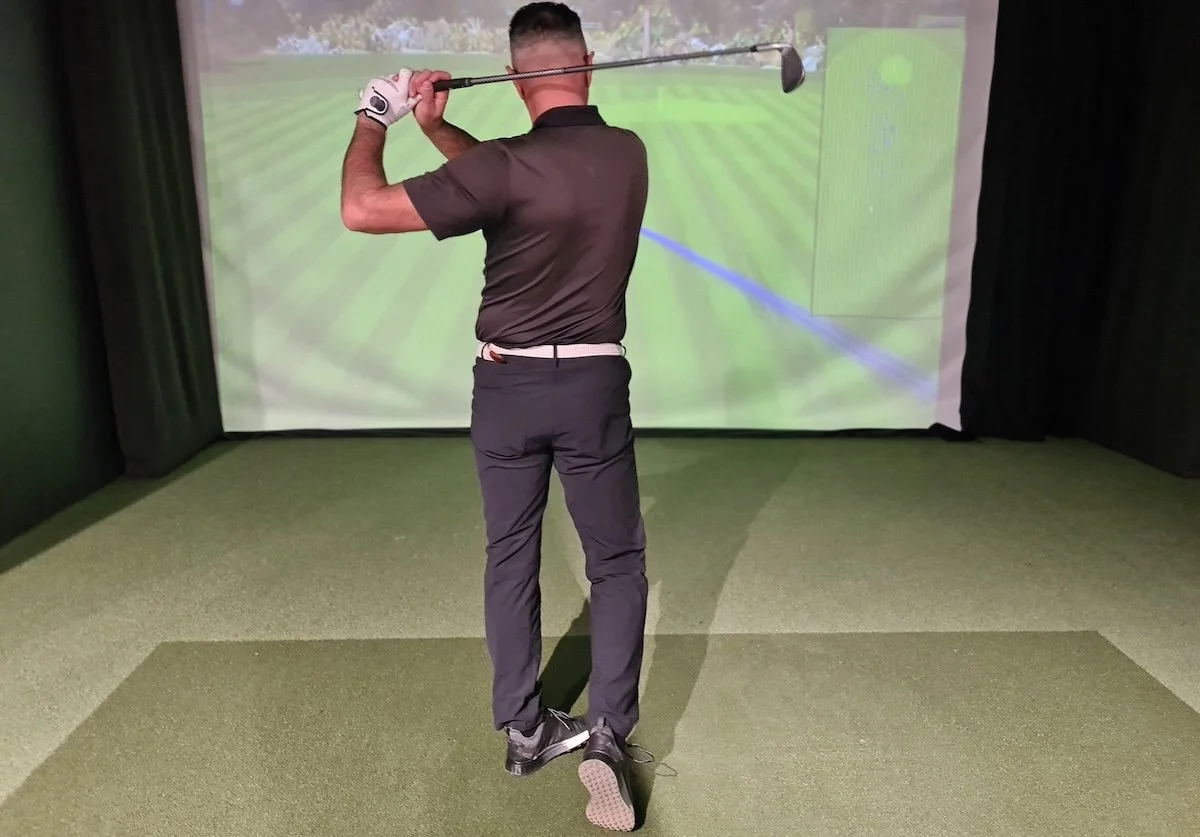
Whether you’ve been playing golf for decades or a few months, we tend to assume that if we experience pain during our swing, it’s because our swing is terrible. This is a logical conclusion and sometimes our swing doesn’t do our body any favours. So, you get a few lessons, try a few different set ups and drills. The pain even goes away.
But then it comes back. You go back to your coach, you practice harder.
The pain gets worse.
Swing Faults vs Physical Limitations in Golf
It’s at this point that I want to make the distinction between swing faults and physical limitations. A swing fault is a TECHNICAL issue in how a golfer moves the club – despite having the physical ability to do so. Therefore, a physical limitation is a restriction in the body that prevents a golfer from accessing or controlling key swing positions – even with perfect instruction.
Why Your Swing Is Limited by Your Body
So basically, your swing will only be as effective and efficient as your body allows it to be. You could get the best advice in the world on how to hit a 5 yard baby cut, but if your body limits you from putting that into practice, then it’s useless. And a great source of frustration for golfers of all levels. Some common physical limitations in golfers include limited thoracic rotation, reduced hip internal rotation, rib cage stiffness, poor lead-side loading capacity and poor ankle flexibility.
If you trying and fight through these limitations, rather that addressing them, injury will inevitably occur.
Common Golf Injuries Caused by Physical Limitations
Some of the most common golfing injuries include:
· Low back pain – THE MOST common golf injury
· Rib and mid back pain
· Hip pain (especially the lead hip)
· Elbow and wrist issues – a common overload site
· Neck stiffness
The Role of Coaches and Physical Assessment in Golf
While it can be beyond their scope, great coaches are able to identify the physical limitations. If they are manageable, they will refer them to a specialist who can advise them on exercises or treatment. However if the limitation is permanent, it is on them to work together with the golfer to develop a swing around that impairment. The obvious example is Jon Rahm, who was born with a clubfoot, greatly reducing his lower limb mobility and a key reason for his shorter backswing – not that it has held him back!
This is why physical assessment matters in golf. Having someone who understands the demands of the sport and how the body should present across mobility, strength, control, load tolerance and ground force production is invaluable and can save you a lot of time, money and frustration down the track. The Titleist Performance Institute is a world leader in this space.
Building a Body That Supports the Golf Swing
Because by working with a trained golf performance specialist, the goal should be the build a body that supports the swing. Mobility improvements create access. Strength creates resilience. Power output drives speed and improving your capacity allows for repetition, both in play and practice.
To finish up, golf injuries are rarely random, especially in amateur golfers where conservative estimates have “overuse’ injuries accounting for over 80% of total incidences. Improving your body’s physical characteristics often frees up your swing and allows you to play better, for longer with less pain. Anyone who has played this game knows how difficult it is, and improvement should be viewed as a long-term pursuit – the same applies to our bodies. Quick fixes are rarely permanent.